



A Critical PHP Security Flaw
Introduction
What if an artificial intelligence system discovered a hidden security weakness in software used by millions of websites—and hackers could potentially use that weakness to attack vulnerable servers?
That scenario is now a real cybersecurity concern.
Thank you for reading this post, don't forget to subscribe!
On October 21, 2026, the PHP development team released urgent security updates addressing two critical vulnerabilities. AI-assisted security research helped uncover the flaws, and cybersecurity agencies warned website operators to act quickly.
PHP is the programming language behind a huge part of the web. It powers countless websites, content management systems, and web applications. That means a serious flaw in PHP can affect far more than a single company or platform.
The situation also highlights a new reality: AI is becoming a powerful cybersecurity tool, but discoveries that help defenders can also create pressure to respond before attackers exploit vulnerable systems.
Here’s what happened, why it matters, and what website owners should do next.
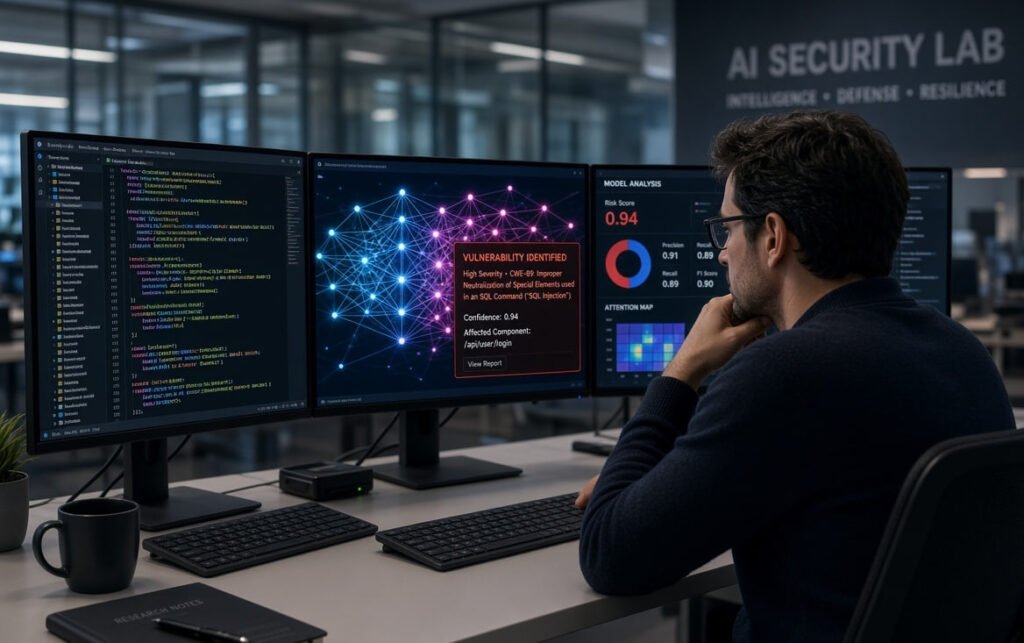
What Happened in the PHP Security Incident?
The PHP development team announced two critical vulnerabilities on October 21, 2026. According to its official security advisory, the flaws could allow remote code execution without authentication in affected configurations.
In simple terms, an attacker might be able to make a vulnerable server execute malicious commands without first logging in.
The vulnerabilities are identified as:
- CVE-2026-109618
- CVE-2026-109619
The PHP team released security updates for several maintained branches, including PHP 8.5, 8.4, 8.3, and 8.2. The developers advised affected users to update immediately and stated that updating was the only safe choice because no complete mitigation was available.
The discovery attracted international attention because PHP is so widely used. Reports described government and public-facing websites temporarily going offline while administrators worked to secure their systems.
This was not simply a routine software update. It was a reminder that a vulnerability in widely deployed infrastructure can create a security challenge across many organizations at once.
How Did AI Help Discover the Vulnerabilities?
One of the most significant aspects of this story is the role of artificial intelligence.
OpenAI reported that its Patch the Planet initiative coordinated researchers, software maintainers, and security providers to investigate and address critical PHP vulnerabilities. The company said the research group Calif identified a critical flaw using GPT-5.6 Sol, while cybersecurity company Wiz independently discovered and reported both vulnerabilities.
AI-assisted security research can help investigators examine complicated code, identify unusual behavior, and investigate possible weaknesses faster.
Traditionally, finding subtle vulnerabilities in mature software could require extensive manual analysis and specialized expertise. AI tools can help researchers explore code paths and generate ideas that might otherwise take much longer to investigate.
However, AI does not automatically make software secure. Researchers still need to validate findings, coordinate responsible disclosure, develop fixes, and test the results.
The PHP incident demonstrates how AI can assist defenders in discovering serious problems in established software—even code that has been examined for years.
Why Is PHP So Important to the Internet?
PHP operates behind the scenes on many websites. When a visitor opens a page, PHP may process the request, retrieve information, interact with a database, and generate the content delivered to the browser.
It is commonly associated with platforms and applications such as:
- WordPress websites and blogs.
- Drupal content management systems.
- Joomla websites.
- Magento-based online stores.
- Custom business websites and web applications.
PHP’s widespread adoption means a critical vulnerability can affect different types of organizations, from small businesses to large institutions.
A website owner may not even know which PHP version their hosting environment uses. On shared hosting, the hosting provider may manage the underlying software, making it especially important to check the provider’s security announcements.
Important: Not every website is automatically vulnerable simply because it uses WordPress. The risk depends on the underlying PHP environment, configuration, and whether the relevant security updates have been applied.
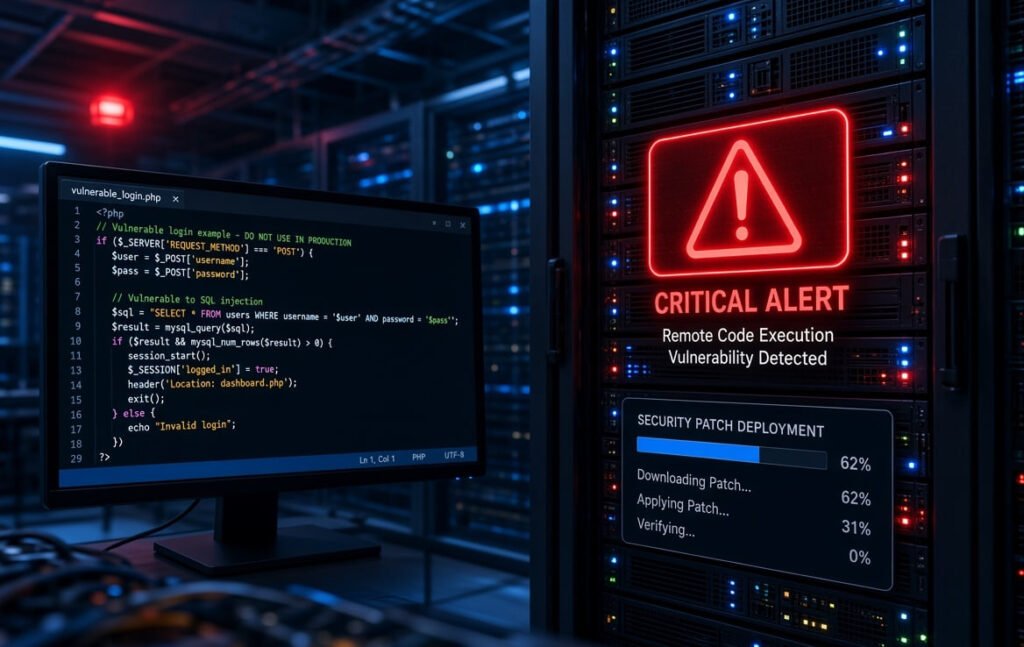
What Is Remote Code Execution, and Why Is It Dangerous?
Remote code execution, often abbreviated as RCE, is a category of security vulnerability that can allow an attacker to run code on a system from another device.
The potential consequences depend on the vulnerability and the permissions available to the attacker.
Possible risks include:
1. Unauthorized Access to Website Data
If an attacker gains control over a vulnerable application or server, sensitive information stored or processed by that system could be exposed.
2. Website Defacement
Attackers might modify website content, insert unwanted pages, or damage the site’s reputation.
3. Malware Installation
A compromised server could be used to host malicious files, redirect visitors, or support further attacks.
4. Wider Network Compromise
In some environments, a compromised server may provide a starting point for attacks against other systems. The extent of the risk depends on network design and security controls.
These are potential consequences of remote code execution generally—not confirmation that every outcome occurred in this particular incident.
What Should WordPress Website Owners Do Right Now?
If you operate a WordPress blog, online store, or business website, you should take this incident seriously.
Step 1: Contact Your Hosting Provider
Ask which PHP version your website is running and whether the relevant security patches have been applied.
If you use managed WordPress hosting, check the provider’s security announcements and dashboard.
Step 2: Verify the PHP Version
If you manage your own server, inspect the PHP version used by the actual web server. The PHP version shown by a command-line tool may differ from the version used by the website.
You can consult the official PHP security advisory and release information to identify the applicable update.
Step 3: Apply the Appropriate Security Update
The PHP team released fixes for PHP 8.5.12, 8.4.27, 8.3.36, and 8.2.35.
These versions correspond to their respective release branches. Do not choose a version solely from this list without checking which branch your environment uses and whether it is supported.
For current guidance, visit the official PHP security advisory and PHP downloads page.
If you rely on a hosting provider, follow its instructions rather than attempting a server-level upgrade without understanding the consequences.
Step 4: Update WordPress and Its Components
Keep WordPress core, plugins, and themes updated as well. Although updating WordPress plugins does not replace the need to patch PHP, maintaining your entire website reduces other avoidable security risks.
Remove plugins and themes you no longer use, and only install software from trusted sources.
Step 5: Review Security Logs
If your server was running a vulnerable configuration before the patch was installed, consider asking your hosting provider or security administrator to review logs for suspicious activity.
Look for unusual requests, unexpected files, unfamiliar processes, or unexplained changes to website content.
Patching closes the known vulnerability, but it does not necessarily remove an attacker who may already have gained access.
Step 6: Back Up Your Website
Maintain a recent backup of your website files and database. Ideally, keep at least one backup separate from the production server and verify that restoration works.
A backup is not a substitute for security updates, but it can help you recover if something goes wrong.
Also Check : AI Agents Can Do Your Work — But Can You Trust Them With Your Personal Data?
Is This a Warning for the Future of AI Cybersecurity?
Absolutely—but the lesson is more nuanced than simply saying AI is dangerous.
AI can help security researchers identify flaws, analyze large codebases, and prioritize problems that need attention. This can improve the ability of defenders to find weaknesses before they cause damage.
At the same time, attackers may use increasingly capable tools to understand vulnerabilities and develop attacks more quickly.
That creates a race between discovery, responsible disclosure, patch deployment, and exploitation.
For software developers, the response must include stronger testing, faster patch distribution, and clear communication with users.
For website owners, the lesson is straightforward: security maintenance cannot be treated as an occasional task. Software updates, backups, access controls, and monitoring need to be part of regular operations.
Frequently Asked Questions
What is the PHP security vulnerability reported in October 2026?
The PHP development team disclosed two critical vulnerabilities, CVE-2026-109618 and CVE-2026-109619, that could allow unauthenticated remote code execution in affected environments.
Did AI discover the PHP flaws?
AI-assisted research contributed to the discovery. OpenAI reported that Calif used GPT-5.6 Sol to identify a critical flaw, while Wiz independently discovered and reported both vulnerabilities.
Is every WordPress website affected?
Not necessarily. The risk depends on the PHP version, server configuration, and whether the relevant patches have been applied. WordPress owners should confirm their hosting environment’s status.
Which PHP versions received security updates?
The PHP team released PHP 8.5.12, 8.4.27, 8.3.36, and 8.2.35 on October 21, 2026. Check the official advisory for the latest information and instructions.
Should I take my website offline?
Do not make that decision based only on a news headline. Contact your hosting provider or security administrator immediately. Follow official guidance for your specific environment, including any recommendation to take an unpatched system offline if it cannot be secured promptly.
Final Thoughts
The PHP security incident is an important example of how AI is changing cybersecurity.
Artificial intelligence helped researchers identify vulnerabilities in software used across the internet. The resulting security updates and emergency response also showed how quickly organizations may need to act when a widely deployed component is at risk.
For website owners, the best response is not panic. It is verification, timely patching, careful monitoring, and reliable backups.
If you run a WordPress website or another PHP-powered service, check your PHP environment and confirm that the relevant security fixes have been applied.
In cybersecurity, knowing about a vulnerability is only the beginning. Protecting your website depends on what you do next.
Sources and Further Reading
- Official PHP security advisory
- PHP security release announcements
- OpenAI: Patch the Planet and coordinated vulnerability response
- Associated Press report on the PHP vulnerabilities
- Reuters report published by The Jakarta Post
Disclaimer
This article is for informational and educational purposes only and is not a substitute for professional cybersecurity advice. Security recommendations may change as new information becomes available. Website owners should consult their hosting providers, qualified security professionals, and official PHP guidance before making changes to production systems.